Taking Care of Your Diabetic Feet

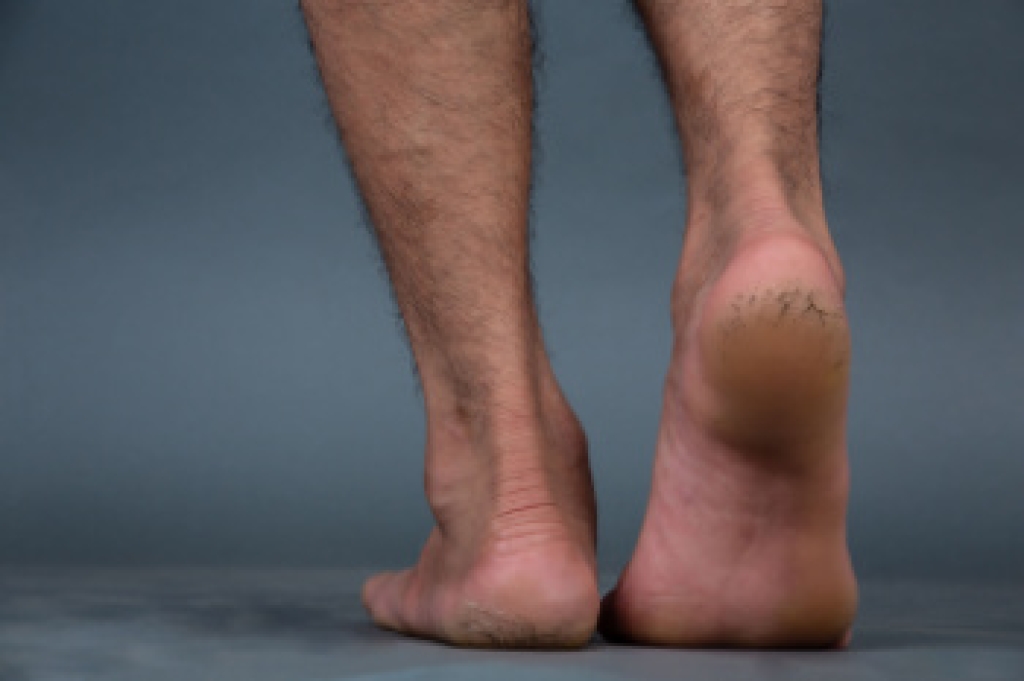
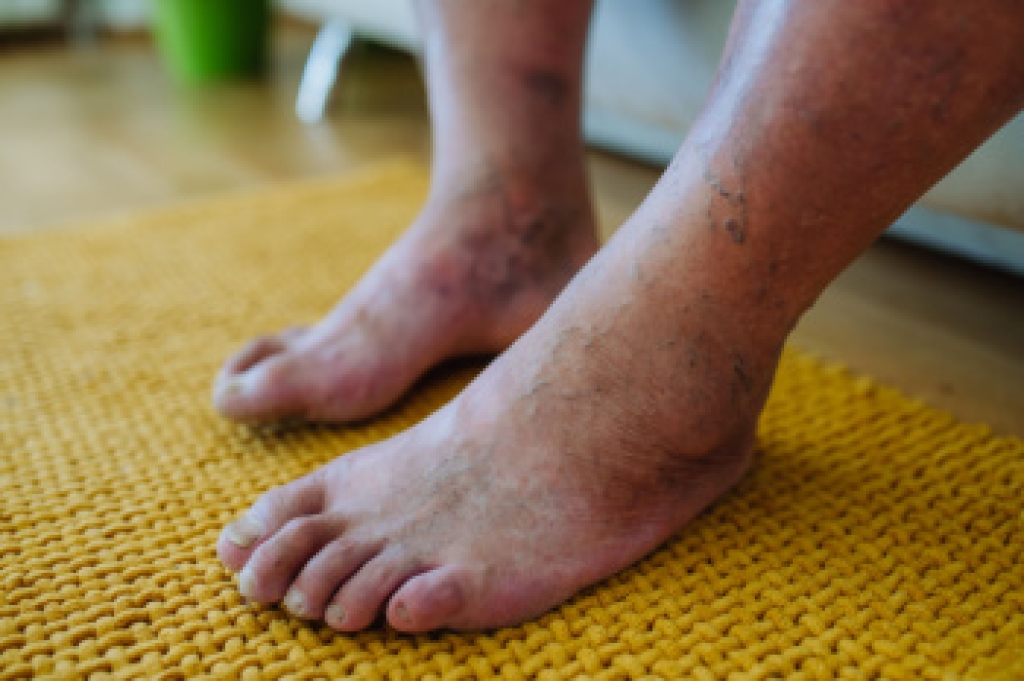
Taking care of diabetic feet is essential because diabetes can affect circulation, nerve sensation, and skin health. Diabetic feet may look dry, cracked, or swollen, and can develop calluses, wounds, or nail changes. They may feel numb, unusually cold, or painful, making injuries harder to notice. Reduced sensation and poor blood flow increase the risk of infection and slow healing. A podiatrist can help from the start by performing a thorough foot examination, checking circulation and nerve function, and identifying early warning signs. Diagnosis may include sensory testing, skin assessment, and nail evaluation. Treatment focuses on regular foot care, safe callus and nail management, and wound prevention. If ulcers or infections develop, prompt podiatric treatment supports healing and reduces serious complications. Ongoing care helps protect mobility, comfort, and independence. It is suggested that you are under the care of a podiatrist if you have diabetes-related foot complications.

Diabetic foot care is important in preventing foot ailments such as ulcers. If you are suffering from diabetes or have any other concerns about your feet, contact Brain Middleton, DPM from Medical Foot Care Center. Our doctor can provide the care you need to keep you pain-free and on your feet.

Diabetic Foot Care

Diabetes affects millions of people every year. The condition can damage blood vessels in many parts of the body, especially the feet. Because of this, taking care of your feet is essential if you have diabetes, and having a podiatrist help monitor your foot health is highly recommended.

The Importance of Caring for Your Feet

  • Routinely inspect your feet for bruises or sores.
  • Wear socks that fit your feet comfortably.
  • Wear comfortable shoes that provide adequate support.

Patients with diabetes should have their doctor monitor their blood levels, as blood sugar levels play such a huge role in diabetic care. Monitoring these levels on a regular basis is highly advised.

It is always best to inform your healthcare professional of any concerns you may have regarding your feet, especially for diabetic patients. Early treatment and routine foot examinations are keys to maintaining proper health, especially because severe complications can arise if proper treatment is not applied.

If you have any questions, please feel free to contact our office located in Rome, GA . We offer the newest diagnostic and treatment technologies for all your foot care needs.

Read more about Diabetic Foot Conditions

Morton’s Neuroma and the Discomfort It Can Cause

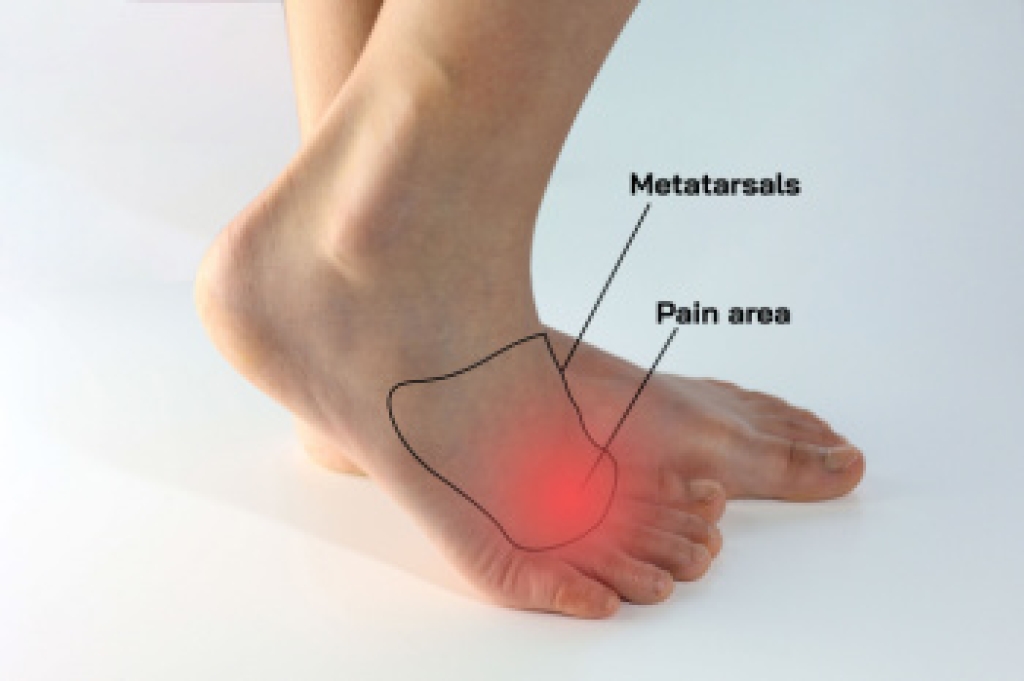
Morton’s neuroma, sometimes referred to as an interdigital nerve irritation or Intermetatarsal neuroma, develops when a nerve between the toes becomes compressed by surrounding tissues. This pressure can create a burning or tingling feeling in the ball of the foot, often described as walking on a small pebble. Some people notice numbness between the toes or a sudden sharp sensation when wearing tighter shoes or standing for long periods of time.The discomfort may improve briefly when the shoe is removed, but it often returns with activity. A podiatrist can evaluate the area, review footwear habits, and identify mechanical issues that place extra stress on the nerve. Treatment may include supportive inserts, shoe changes, padding, or targeted therapies that calm the irritated tissue and restore comfort. If the sensation between your toes persists or begins affecting daily movement, it is suggested that you see a podiatrist for effective relief and treatment solutions.

Morton’s neuroma is a very uncomfortable condition to live with. If you think you have Morton’s neuroma, contact Brain Middleton, DPM of Medical Foot Care Center. Our doctor will attend to all of your foot care needs and answer any of your related questions.  

Morton’s Neuroma

Morton's neuroma is a painful foot condition that commonly affects the areas between the second and third or third and fourth toe, although other areas of the foot are also susceptible. Morton’s neuroma is caused by an inflamed nerve in the foot that is being squeezed and aggravated by surrounding bones.

What Increases the Chances of Having Morton’s Neuroma?

  • Ill-fitting high heels or shoes that add pressure to the toe or foot
  • Jogging, running or any sport that involves constant impact to the foot
  • Flat feet, bunions, and any other foot deformities

Morton’s neuroma is a very treatable condition. Orthotics and shoe inserts can often be used to alleviate the pain on the forefront of the feet. In more severe cases, corticosteroids can also be prescribed. In order to figure out the best treatment for your neuroma, it’s recommended to seek the care of a podiatrist who can diagnose your condition and provide different treatment options.

If you have any questions, please feel free to contact our office located in Rome, GA . We offer the newest diagnostic and treatment technologies for all your foot care needs.
Read more about What is Morton's Neuroma?
scroll to top
Request Appointment