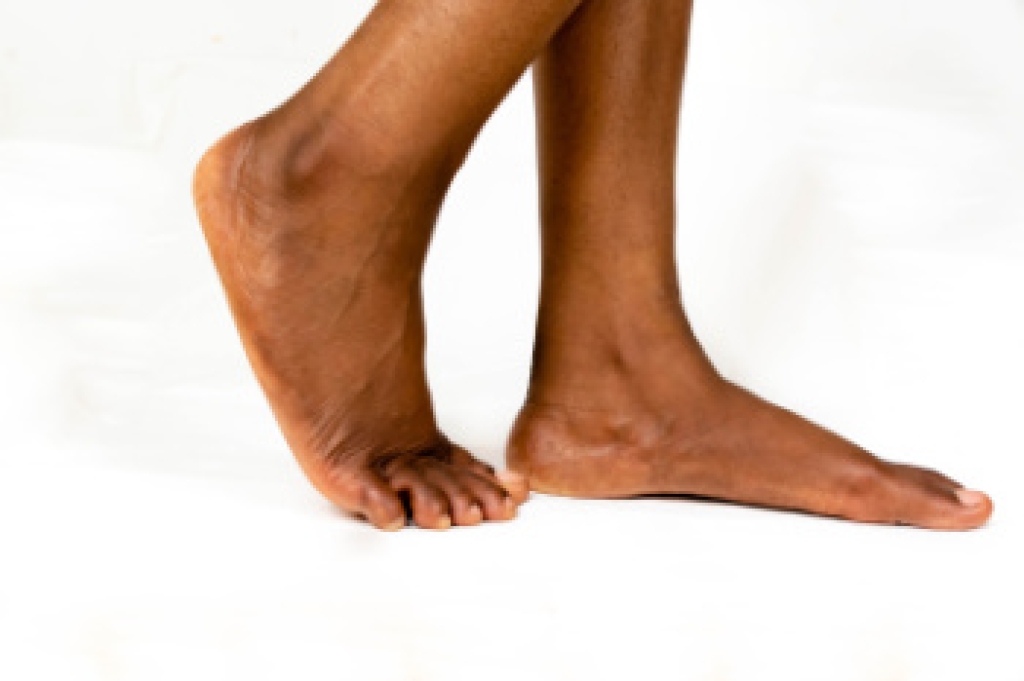
Causes and Symptoms of Nerve Damage in the Foot

Pain in the ball of the foot can develop when nerves between the toes become irritated from pressure, stretching, or repeated friction. These nerves run between the long bones in the front of the foot and can enlarge over time, creating a thickened area called a neuroma. Most people notice a mild ache near the third or fourth toe that progresses to burning or tingling.  Wearing narrow shoes, high heels, and flip-flops can increase pressure on the front of the foot, and some people feel as if a pebble is stuck under the toes. As nerve irritation progresses, closed-toe shoes often become difficult to wear. A podiatrist can examine the foot, assess posture, and recommend proper footwear or pads. In some cases, injections or surgery are considered to relieve pain. If you are experiencing pain in the ball of the foot, it is suggested that you schedule an appointment with a podiatrist for a diagnosis and appropriate treatment.

Neuropathy

Neuropathy can be a potentially serious condition, especially if it is left undiagnosed. If you have any concerns that you may be experiencing nerve loss in your feet, consult with Brain Middleton, DPM from Medical Foot Care Center. Our doctor will assess your condition and provide you with quality foot and ankle treatment for neuropathy.

What Is Neuropathy?

Neuropathy is a condition that leads to damage to the nerves in the body. Peripheral neuropathy, or neuropathy that affects your peripheral nervous system, usually occurs in the feet. Neuropathy can be triggered by a number of different causes. Such causes include diabetes, infections, cancers, disorders, and toxic substances.

Symptoms of Neuropathy Include:

  • Numbness
  • Sensation loss
  • Prickling and tingling sensations
  • Throbbing, freezing, burning pains
  • Muscle weakness

Those with diabetes are at serious risk due to being unable to feel an ulcer on their feet. Diabetics usually also suffer from poor blood circulation. This can lead to the wound not healing, infections occurring, and the limb may have to be amputated.

Treatment

To treat neuropathy in the foot, podiatrists will first diagnose the cause of the neuropathy. Figuring out the underlying cause of the neuropathy will allow the podiatrist to prescribe the best treatment, whether it be caused by diabetes, toxic substance exposure, infection, etc. If the nerve has not died, then it’s possible that sensation may be able to return to the foot.

Pain medication may be issued for pain. Electrical nerve stimulation can be used to stimulate nerves. If the neuropathy is caused from pressure on the nerves, then surgery may be necessary.

If you have any questions, please feel free to contact our office located in Rome, GA . We offer the newest diagnostic and treatment technologies for all your foot care needs.
Read more about Neuropathy

Stop Your Toenail Fungus

Have you noticed discoloration of your toenails? Have they become thickened or brittle? If so, you may be experiencing symptoms of a fungal nail infection. For some, having a fungal nail can be embarrassing. Overcome your embarrassment, and get treated.

Causes of Toenail Fungus

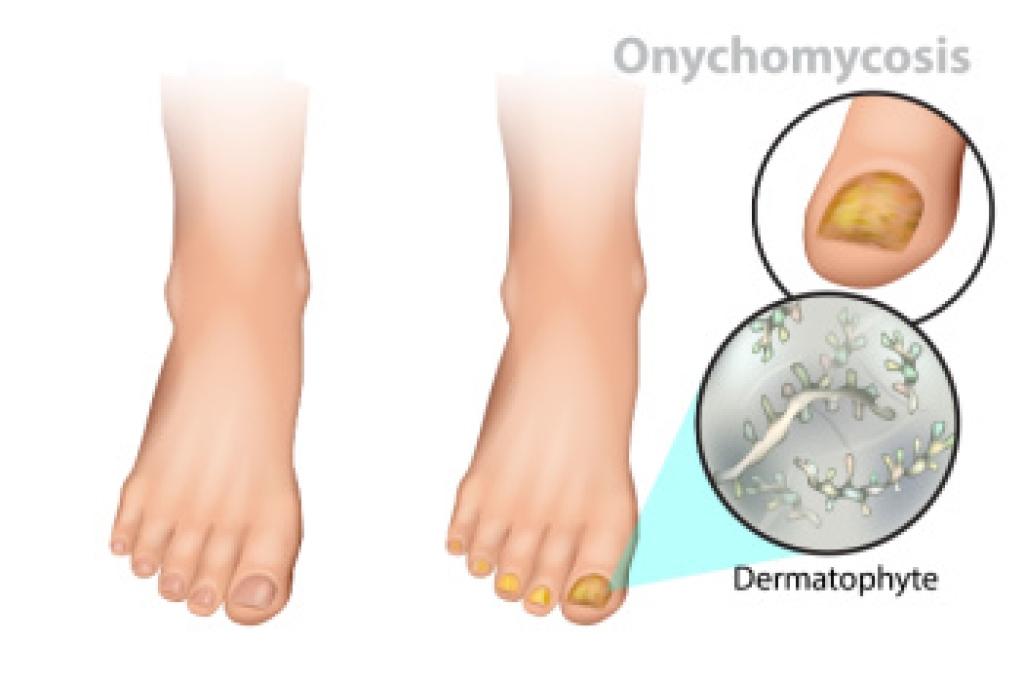
Toenail fungus, also called onychomycosis, is a disorder that affects the nail plate and can slowly spread if untreated. It often begins as white, yellow, or black spots on the toenail that gradually thicken, discolor, and distort the nail. This condition thrives in warm and moist environments, making prevention an important part of foot care. Helpful habits include trimming toenails straight across, discarding old shoes that may contain fungal spores, and wearing protective footwear in pool areas and shared locker rooms. A podiatrist can confirm the diagnosis, provide targeted treatment, and guide long-term prevention to restore healthier nails. If you notice any of these symptoms on your toenails, it is suggested that you consult a podiatrist who can offer effective treatment solutions, which may include prescribed medication.

For more information about treatment, contact Brain Middleton, DPM of Medical Foot Care Center. Our doctor can provide the care you need to keep you pain-free and on your feet.

Toenail Fungus Treatment

Toenail fungus is a condition that affects many people and can be especially hard to get rid of. Fortunately, there are several methods to go about treating and avoiding it.

Antifungals & Deterrence

Oral antifungal medicine has been shown to be effective in many cases. It is important to consult with a podiatrist to determine the proper regiment for you, or potentially explore other options.

Applying foot powder on the feet and shoes helps keep the feet free of moisture and sweat.

Sandals or open toed shoes – Wearing these will allow air movement and help keep feet dry. They also expose your feet to light, which fungus cannot tolerate. Socks with moisture wicking material also help as well.

If you have any questions please contact our office located in Rome, GA . We offer the newest diagnostic and treatment technologies for all your foot and ankle needs.

Read more about Toenail Fungus

Stretches That Can Ease Tendinitis in the Foot

Peroneal tendinitis involves irritation of the two peroneal tendons that run behind the outer ankle and attach to the side of the foot. This irritation, which develops from repeated strain, is common among runners and endurance athletes. When the peroneal tendons become irritated, the outer foot and ankle can feel sore and stiff. Gentle stretching helps maintain motion while reducing tightness in the surrounding tissues. A towel stretch, a standing calf stretch, and controlled inward and outward foot movements keep the ankle flexible and support healthier tendon function. These stretches also help reduce pressure on the tendons and improve comfort as the foot heals. With proper rest and conservative management, this condition often improves without surgery, but guidance is helpful. A podiatrist can explain which stretches are safe and recommend further care. If you are experiencing symptoms of peroneal tendinitis, it is suggested that you make an appointment with a podiatrist for a diagnosis and treatment.

Why Stretching Is Important for Your Feet

Stretching the feet is a great way to prevent injuries. If you have any concerns with your feet consult with Brain Middleton, DPM from Medical Foot Care Center. Our doctor will assess your condition and provide you with quality foot and ankle treatment.

Stretching the Feet

Stretching the muscles in the foot is an important part in any physical activity. Feet that are tight can lead to less flexibility and make you more prone to injury. One of the most common forms of foot pain, plantar fasciitis, can be stretched out to help ease the pain. Stretching can not only ease pain from plantar fasciitis but also prevent it as well. However, it is important to see a podiatrist first to determine if stretching is right for you. Podiatrists can also recommend other ways to stretch your feet. Once you know whether stretching is right for you, here are some excellent stretches you can do.

  • Using a foam roller or any cylindrical object (a water bottle or soda can will do), roll the object under your foot back and forth. You should also exert pressure on the object. Be sure to do this to both feet for a minute. Do this exercise three times each.
  • Similar to the previous exercise, take a ball, such as a tennis ball, and roll it under your foot while seated and exert pressure on it.
  • Grab a resistance band or towel and take a seat. If you are using a towel, fold it length wise. Next put either one between the ball of your foot and heel and pull with both hands on each side towards you. Hold this for 15 seconds and then switch feet. Do this three times for each foot.
  • Finally hold your big toe while crossing one leg over the other. Pull the toe towards you and hold for 15 seconds. Once again do this three times per foot.

It is best to go easy when first stretching your foot and work your way up. If your foot starts hurting, stop exercising to ice and rest the foot. It is advised that you then see a podiatrist for help.

If you have any questions please contact our office located in Rome, GA . We offer the newest diagnostic and treatment technologies for all your foot and ankle needs.

Read more about Stretching Your Feet

The Impact of Flat Feet on Foot Health

Flat feet, also known as fallen arches, occur when the arches of the feet collapse or do not develop fully, causing the entire sole to touch the ground. They may be present from birth, result from injury, or develop over time due to weakened tendons, obesity, or aging. Flat feet may look visibly low or absent in the arch area, and some individuals notice inward tilting of the ankles. Symptoms include foot fatigue, aching in the heel or arch, swelling along the inside of the ankle, or discomfort when standing or walking for long periods. Not all flat feet cause pain, but when symptoms occur, they can lead to knee, hip, or back problems due to altered gait. A podiatrist can diagnose flat feet through physical examination, gait analysis, and imaging if needed. Treatment may include custom orthotics, supportive footwear, stretching or strengthening exercises, and guidance on activity modification. Early intervention helps reduce discomfort and prevent long-term complications. If you experience persistent foot pain or notice changes in your arches, it is suggested that you make an appointment with a podiatrist.

Flatfoot is a condition many people suffer from. If you have flat feet, contact Brain Middleton, DPM from Medical Foot Care Center. Our doctor will treat your foot and ankle needs.

What Are Flat Feet?

Flatfoot is a condition in which the arch of the foot is depressed and the sole of the foot is almost completely in contact with the ground. About 20-30% of the population generally has flat feet because their arches never formed during growth.

Conditions & Problems:

Having flat feet makes it difficult to run or walk because of the stress placed on the ankles.

Alignment – The general alignment of your legs can be disrupted, because the ankles move inward which can cause major discomfort.

Knees – If you have complications with your knees, flat feet can be a contributor to arthritis in that area.  

Symptoms

  • Pain around the heel or arch area
  • Trouble standing on the tip toe
  • Swelling around the inside of the ankle
  • Flat look to one or both feet
  • Having your shoes feel uneven when worn

Treatment

If you are experiencing pain and stress on the foot you may weaken the posterior tibial tendon, which runs around the inside of the ankle. 

If you have any questions, please feel free to contact our office located in Rome, GA . We offer the newest diagnostic and treatment technologies for all your foot care needs.

Read more about Flatfoot
scroll to top
Request Appointment