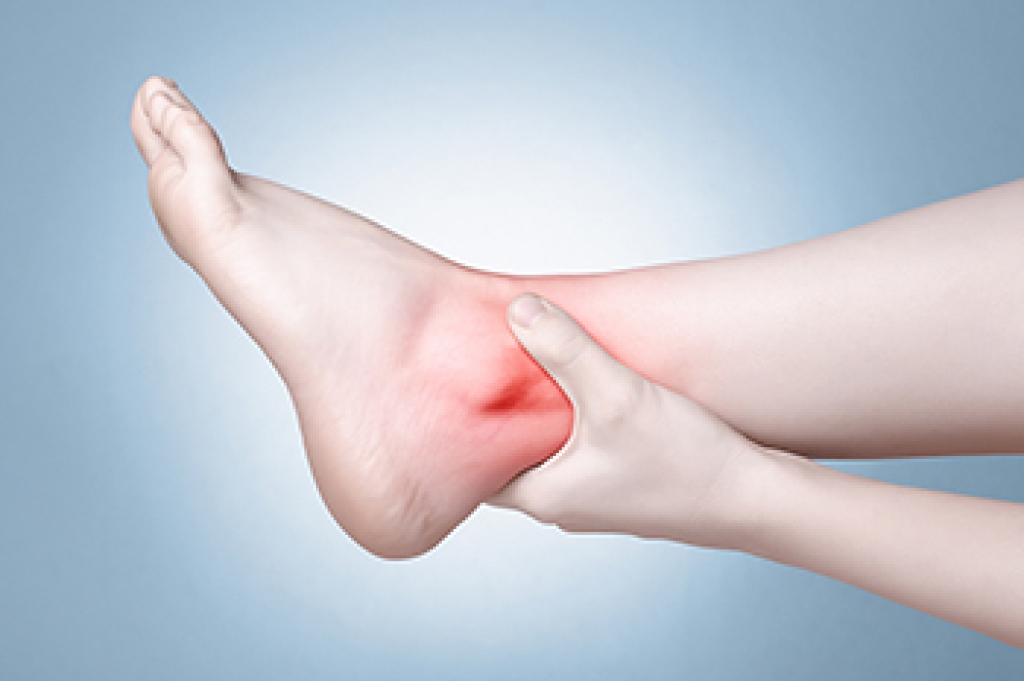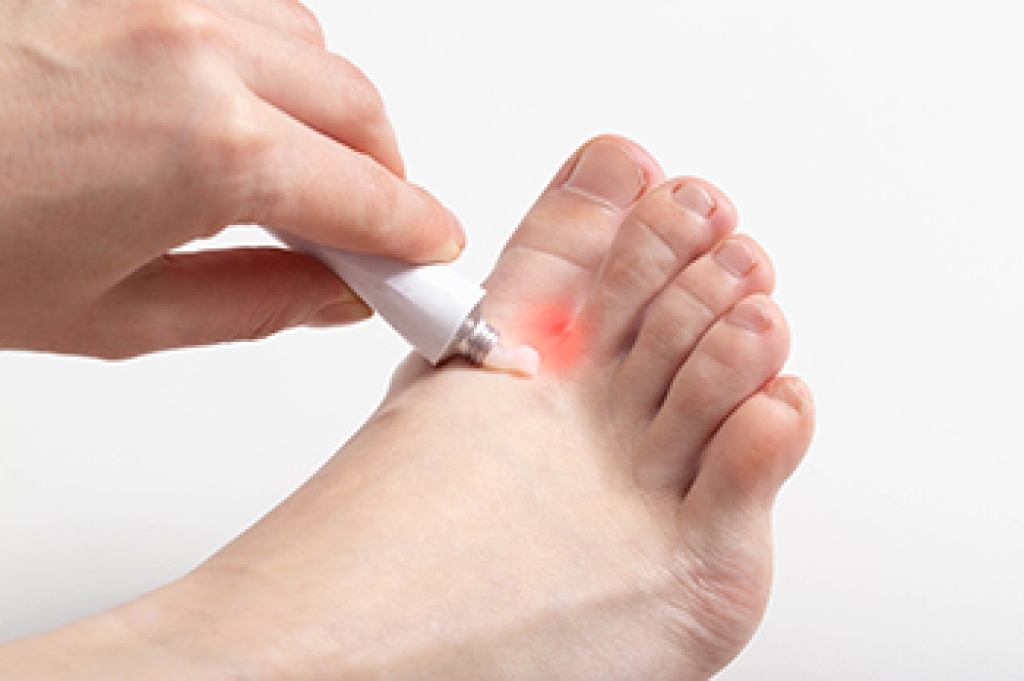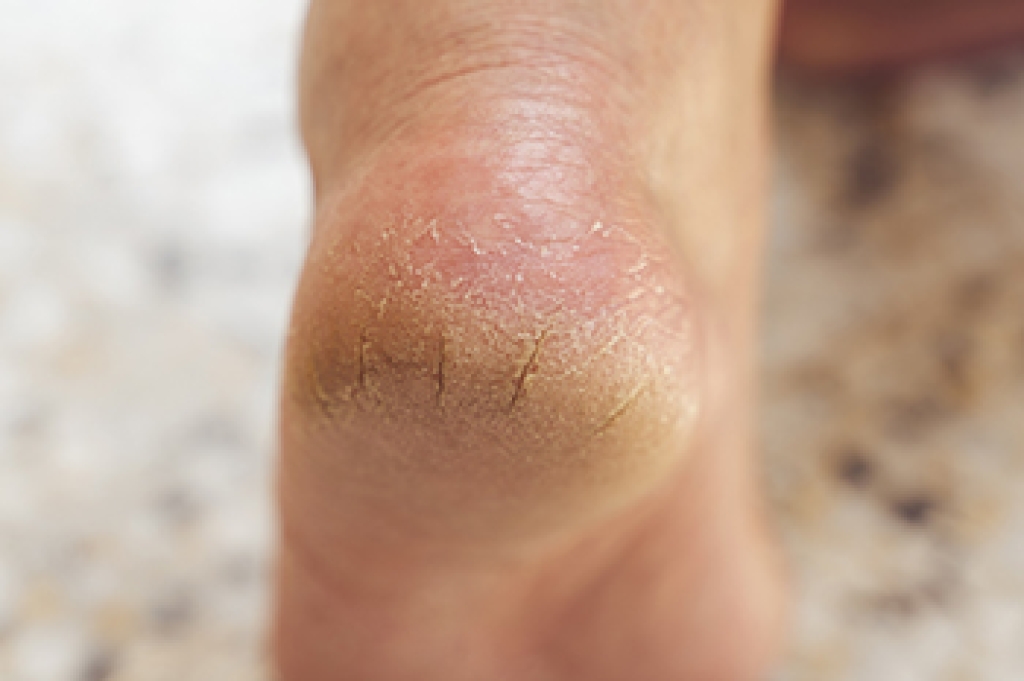
Cracked heels, also called heel fissures, develop when the skin on the bottom or edges of the heel becomes thick, very dry, and less flexible. As pressure increases during standing and walking, the skin can split, causing discomfort that ranges from mild tenderness to sharp pain. The heel may look rough, flaky, yellowed, or callused. Deeper cracks may bleed or become inflamed. Common causes include dry skin, prolonged standing, and open-back shoes. Excess pressure on the heel and certain medical conditions that affect skin health are also factors. A podiatrist can examine the severity of the fissures, safely trim thickened skin, and recommend moisturizing treatments, supportive footwear, and custom orthotics to reduce pressure. Targeted care can help prevent infection and improve healing, especially when walking becomes painful. Early treatment is important because untreated fissures can deepen and lead to more serious skin breakdown. If you have painful cracked heels or heel fissures, it is suggested that you make an appointment with a podiatrist.
Cracked heels are unsightly and can cause further damage to your shoes and feet. If you have any concerns, contact Brain Middleton, DPM from Medical Foot Care Center. Our doctor can provide the care you need to keep you pain-free and on your feet.
Cracked Heels
Cracked heels appear unappealing and can make it harder for you walk around in sandals. Aside from looking unpleasant, cracked heels can also tear stockings, socks, and wear out your shoes. There are several methods to help restore a cracked heel and prevent further damage.
How Do You Get Them?
Dry skin is the number one culprit in creating cracked heels. Many athletes, walkers, joggers, and even swimmers suffer from cracked heels. Age and skin oil production play a role to getting cracked heels as well.
Promote Healing
Over the counter medicines can help, especially for those that need instant relief or who suffer from chronic dry feet.
Wear Socks – Wearing socks with medicated creams helps lock in moisture.
Moisturizers – Applying both day and night will help alleviate dryness which causes cracking.
Pumice Stones – These exfoliate and remove dead skin, which allows for smoother moisturizer application and better absorption into the skin.
Change in Diet
Eating healthy with a well-balanced diet will give the skin a fresh and radiant look. Your body responds to the kinds of food you ingest. Omega-3 fatty acids and zinc supplements can also revitalize skin tissue.
Most importantly, seek professional help if unsure how to proceed in treating cracked heels. A podiatrist will help you with any questions or information needed.
If you have any questions, please feel free to contact our office located in Rome, GA . We offer the newest diagnostic and treatment technologies for all your foot care needs.