How Offloading Helps Diabetic Foot Ulcers Heal

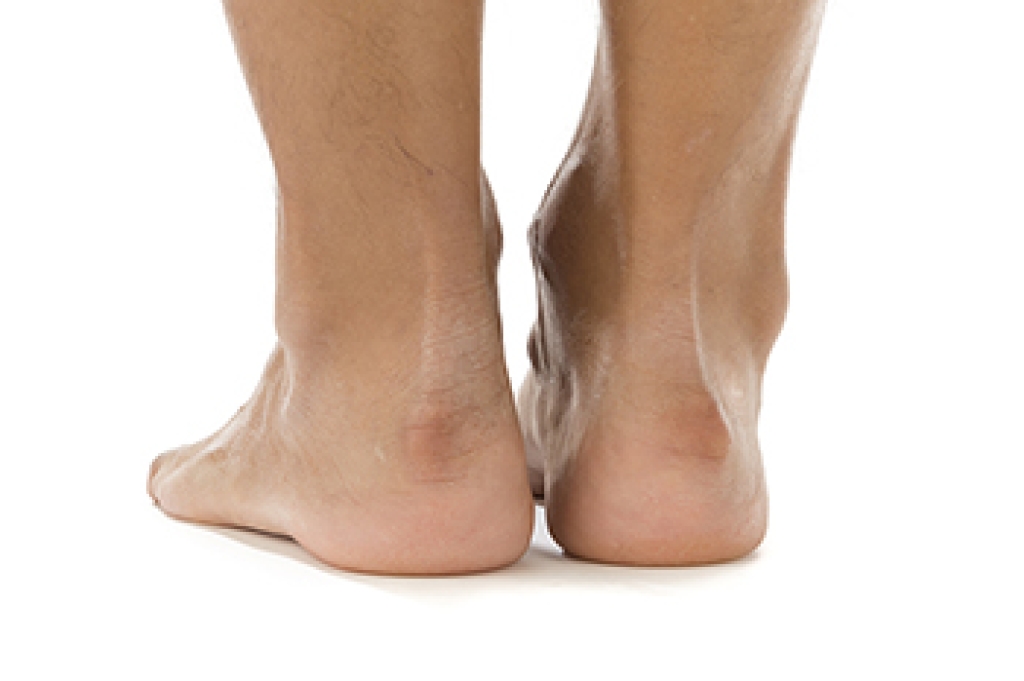
Many diabetic foot ulcers develop because nerve damage reduces feeling in the feet. This condition, known as neuropathy, makes it harder to notice pain, irritation, or injury. As a result, a person may continue putting pressure on an ulcer without realizing it. Offloading is an important part of treating diabetic foot ulcers. Offloading means reducing pressure on the area of the foot where an ulcer has developed. When too much pressure continues to affect a wound while walking, healing becomes much more difficult. A podiatrist can evaluate the location and severity of the wound and determine the most effective offloading approach to improve healing.

Several offloading methods are available depending on the ulcer's location and the patient's needs. A knee-high walking device is often used because it helps spread weight more evenly across the foot. Some devices are designed so they cannot be removed by the patient, which helps ensure consistent protection of the ulcer. Removable devices are another option for patients who cannot tolerate a non-removable device. Certain ulcers on the toes, heel, or other parts of the foot require different forms of pressure relief. A podiatrist carefully selects the most appropriate device based on the wound, foot structure, and overall health of the patient.

Successful treatment of diabetic foot ulcers involves more than covering the wound. Reducing pressure helps improve blood flow to the area and creates a better environment for healing. A podiatrist monitors the ulcer regularly and adjusts treatment as healing progresses. In some cases, surgery becomes necessary when non-surgical offloading methods do not provide enough relief from pressure. Early treatment is important because untreated ulcers can become infected and lead to serious complications. Proper offloading remains one of the most effective ways to promote healing and reduce the risk of additional tissue damage. If you have developed diabetic foot ulcers, it is strongly suggested that you are under the care of a podiatrist who can help you to manage this serious condition.

Limb salvage can be an effective way in preventing the need for limb amputation. If you have diabetes, cancer, or any other condition that could lead to foot amputation if left unchecked, consult with Brain Middleton, DPM from Medical Foot Care Center. Our doctor will assess your condition and provide you with quality foot and ankle treatment.

What Is Limb Salvage?

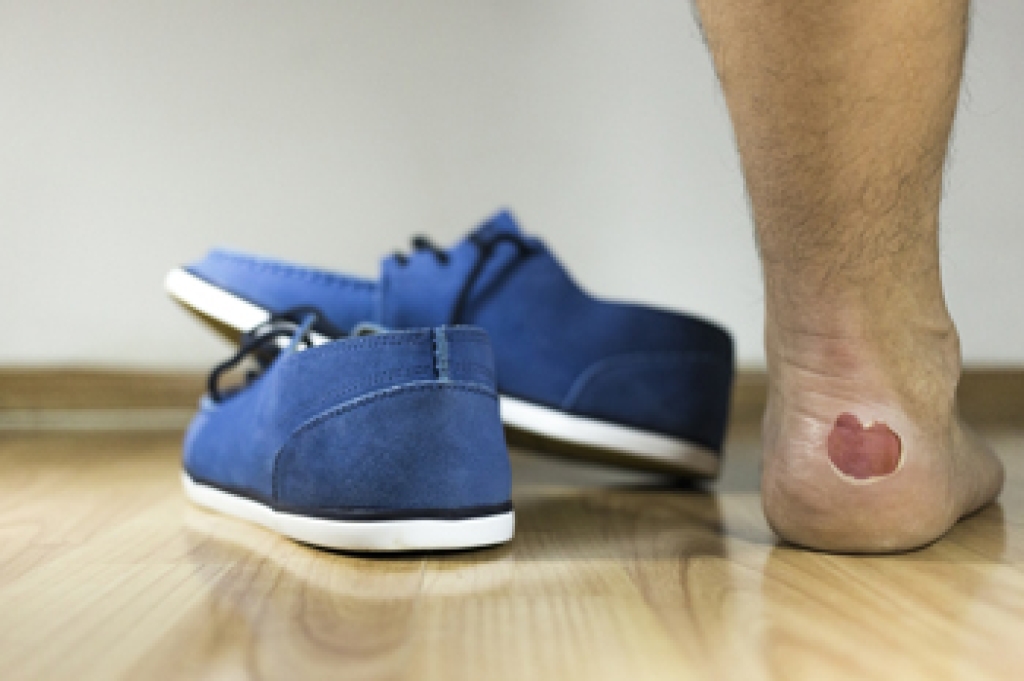
Limb salvage is the attempt of saving a limb, such as the foot from amputation. Podiatrists also try to make sure that there is enough function in the foot after the salvage that it is still usable. Diabetes is the number one cause of non-traumatic amputations in the United States. Those with diabetes experience poor blood circulation, which prevents proper healing of an ulcer. If the ulcer is left uncheck, it could become infected, which could result in the need for amputation.

However, there are other causes as well, such as cancer and traumatic injury. Links between higher mortality rates and amputation have been found. This translates into higher healthcare costs, and a reduced quality of life and mobility for amputees. Podiatrists have attempted to increase the prevalence of limb salvage in an attempt to solve these issues.

Diagnosis and Treatment

Limb salvage teams have grown in recent years that utilize a number of different treatments to save the infected limb. This includes podiatrists that specialize in wound care, rehabilitation, orthotics, and surgery. Through a combination of these methods, limb salvage has been found to be an effective treatment for infected limbs, and as an alternative to amputation. Podiatrists will first evaluate the potential for limb salvage and determine if the limb can be saved or must be amputated. 

If you have any questions, please feel free to contact our office located in Rome, GA . We offer the newest diagnostic and treatment technologies for all your foot care needs.

Read more about Diabetic Limb Salvage

Neuropathy Symptoms and Risks

Neuropathy affects the nerves, which are the body's communication pathways. When nerves become damaged, they cannot properly send signals between the feet and the brain. Diabetes is one of the leading causes of neuropathy, although other health conditions can also contribute to nerve damage. Neuropathy in the feet can cause numbness, tingling, and burning sensations. Some people feel sharp pain, while others lose the ability to feel injuries. This loss of feeling is especially concerning because cuts, blisters, or pressure points can go unnoticed. As a result, a person may continue walking on an injured foot without realizing that damage has occurred.

Neuropathy can lead to serious foot complications when it is not properly monitored. Reduced sensation increases the risk of skin breakdown, infection, and foot ulcers. A foot ulcer is an open sore that develops when skin and tissue become damaged. People with neuropathy may also experience muscle weakness and changes in foot shape. These changes can place extra pressure on certain areas of the foot. Another concern is balance problems that increase the risk of falls. Because these complications can progress without obvious warning signs, regular evaluations play an important role in protecting foot health and reducing the risk of severe injury.

A podiatrist can assess nerve function and identify early signs of neuropathy before major complications develop. The examination may include testing sensation, checking the movement of blood through the body, and evaluating foot structure. A podiatrist can also identify areas of high pressure that increase the risk of developing ulcers. Patients with diabetes benefit from routine foot screenings because nerve damage can gradually worsen without noticeable symptoms. Early detection allows appropriate treatment and ongoing monitoring to help prevent complications. Professional foot care also supports safer mobility and better overall foot health. If you have symptoms of neuropathy in the feet, it is suggested that you schedule an appointment with a podiatrist for a diagnosis, appropriate treatment and management.

Neuropathy

Neuropathy can be a potentially serious condition, especially if it is left undiagnosed. If you have any concerns that you may be experiencing nerve loss in your feet, consult with Brain Middleton, DPM from Medical Foot Care Center. Our doctor will assess your condition and provide you with quality foot and ankle treatment for neuropathy.

What Is Neuropathy?

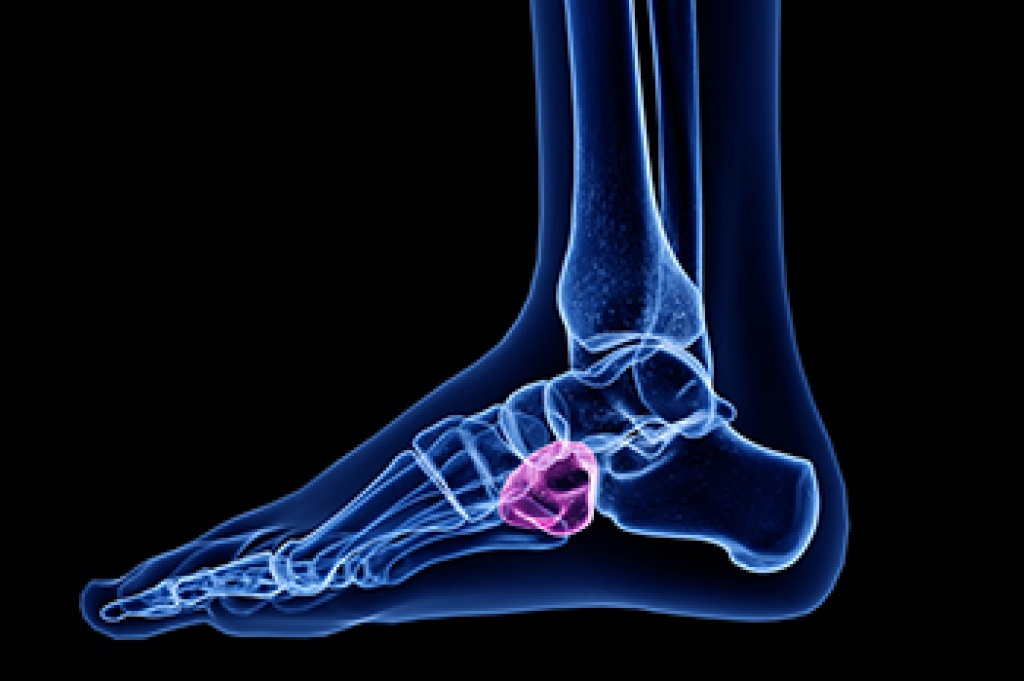
Neuropathy is a condition that leads to damage to the nerves in the body. Peripheral neuropathy, or neuropathy that affects your peripheral nervous system, usually occurs in the feet. Neuropathy can be triggered by a number of different causes. Such causes include diabetes, infections, cancers, disorders, and toxic substances.

Symptoms of Neuropathy Include:

  • Numbness
  • Sensation loss
  • Prickling and tingling sensations
  • Throbbing, freezing, burning pains
  • Muscle weakness

Those with diabetes are at serious risk due to being unable to feel an ulcer on their feet. Diabetics usually also suffer from poor blood circulation. This can lead to the wound not healing, infections occurring, and the limb may have to be amputated.

Treatment

To treat neuropathy in the foot, podiatrists will first diagnose the cause of the neuropathy. Figuring out the underlying cause of the neuropathy will allow the podiatrist to prescribe the best treatment, whether it be caused by diabetes, toxic substance exposure, infection, etc. If the nerve has not died, then it’s possible that sensation may be able to return to the foot.

Pain medication may be issued for pain. Electrical nerve stimulation can be used to stimulate nerves. If the neuropathy is caused from pressure on the nerves, then surgery may be necessary.

If you have any questions, please feel free to contact our office located in Rome, GA . We offer the newest diagnostic and treatment technologies for all your foot care needs.
Read more about Neuropathy

Do Your Child's Feet Hurt?

Have your child's feet been examined lately? Healthy feet are happy feet. If your child is complaining of foot pain, it may be a sign of underlying problems.

Dealing With Blisters on the Feet

Foot blisters develop when repeated rubbing or pressure damages the skin. They often occur after long periods of walking, running, or wearing shoes that do not fit properly. Tight shoes, rough seams, and sudden increases in physical activity can all increase the risk. Moisture from sweaty feet can soften the skin and make it easier for blisters to form. Meanwhile, very dry skin may be more likely to crack and become irritated. Certain foot deformities, such as bunions, hammertoes, or other bony prominences, can create pressure points that lead to friction. The way a person walks can also cause excessive rubbing in specific areas of the foot. Some medical conditions, including diabetes, poor circulation, and nerve damage, may make blisters more likely. They also can prevent a person from noticing skin damage right away. A podiatrist can identify the cause of recurring blisters and recommend treatments to protect the skin and improve foot comfort. If foot blisters are a frequent problem, it is suggested that you schedule an appointment with a podiatrist.

Blisters may appear as a single bubble or in a cluster. They can cause a lot of pain and may be filled with pus, blood, or watery serum. If your feet are hurting, contact Brain Middleton, DPM of Medical Foot Care Center. Our doctor can provide the care you need to keep you pain-free and on your feet.

Foot Blisters

Foot blisters are often the result of friction. This happens due to the constant rubbing from shoes, which can lead to pain.

What Are Foot Blisters?

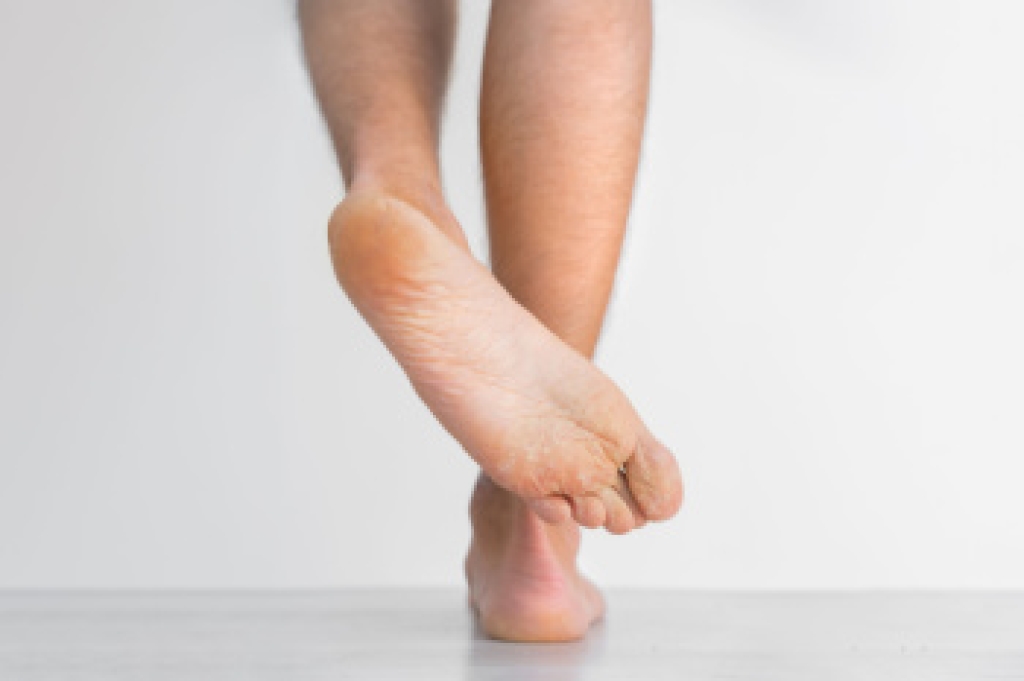
A foot blister is a small fluid-filled pocket that forms on the upper-most layer of the skin. Blisters are filled with clear fluid and can lead to blood drainage or pus if the area becomes infected.

Symptoms

(Blister symptoms may vary depending on what is causing them)

  • Bubble of skin filled with fluid
  • Redness
  • Moderate to severe pain
  • Itching

Prevention & Treatment

In order to prevent blisters, you should be sure to wear comfortable shoes with socks that cushion your feet and absorb sweat. Breaking a blister open may increase your chances of developing an infection. However, if your blister breaks, you should wash the area with soap and water immediately and then apply a bandage to the affected area. If your blisters cause severe pain it is important that you call your podiatrist right away.

If you have any questions, please feel free to contact our office located in Rome, GA . We offer the newest diagnostic and treatment technologies for all your foot care needs.
Read more about Blisters

Reasons for Ingrown Toenail Surgery

Ingrown toenail surgery is a common procedure used to treat toenails that grow into the surrounding skin and cause pain, swelling, and infection. This problem usually affects the big toe and can make wearing shoes or walking very uncomfortable. Common causes include trimming toenails too short, cutting the corners too deeply, and wearing tight-fitting shoes. Some people have naturally curved toenails that are more likely to grow into the skin. An ingrown toenail can also develop after a toe injury or repeated pressure from sports and other activities, like running. Symptoms include redness, tenderness, and drainage from the skin around the nail. In more serious cases, the area can become infected and produce swelling or pus.

When the condition keeps returning or becomes infected, a podiatrist may recommend surgery to remove part of the nail. In severe cases, the entire nail may need to be removed. Before the procedure begins, the toe is cleaned and numbed with local anesthesia. This helps prevent pain during surgery. The podiatrist then removes the section of nail pressing into the skin. In some cases, the area that causes the nail to regrow is treated so the problem is less likely to return. This procedure is usually completed in a short office visit.

After surgery, the toe is covered with a bandage and should be kept clean and protected. People are often advised to wear loose-fitting shoes and limit pressure on the toe while healing. Mild soreness and redness can occur for a short time after the procedure. Following aftercare instructions carefully can help lower the risk of infection and support proper healing. Ingrown toenail surgery is generally safe and can provide long-term relief from pain and repeated infections. If you are undergoing surgery for an ingrown toenail, it is suggested that you make an appointment with a podiatrist.

Ingrown toenails may initially present themselves as a minor discomfort, but they may progress into an infection in the skin without proper treatment. For more information about ingrown toenails, contact Brain Middleton, DPM of Medical Foot Care Center. Our doctor can provide the care you need to keep you pain-free and on your feet.

Ingrown Toenails

Ingrown toenails are caused when the corner or side of a toenail grows into the soft flesh surrounding it. They often result in redness, swelling, pain, and in some cases, infection. This condition typically affects the big toe and may recur if it is not treated properly.

Causes

  • Improper toenail trimming
  • Genetics
  • Improper shoe fitting
  • Injury from pedicures or nail picking
  • Abnormal gait
  • Poor hygiene

You are more likely to develop an ingrown toenail if you are obese, have diabetes, arthritis, or have any fungal infection in your nails. Additionally, people who have foot or toe deformities are at a higher risk of developing an ingrown toenail.

Symptoms

Some symptoms of ingrown toenails are redness, swelling, and pain. In rare cases, there may be a yellowish drainage coming from the nail.

Treatment

Ignoring an ingrown toenail can have serious complications. Infections of the nail border can progress to a deeper soft-tissue infection, which can then turn into a bone infection. You should always speak with your podiatrist if you suspect you have an ingrown toenail, especially if you have diabetes or poor circulation.

If you have any questions, please feel free to contact our office located in Rome, GA . We offer the newest diagnostic and treatment technologies for all your foot care needs.

Read more about Ingrown Toenail Care
scroll to top
Request Appointment