If you're suffering from an ankle fracture, professional attention shouldn't wait. Fractures may worsen over time and can make completing everyday activities incredibly difficult. See your specialist for treatment and guidance through the healing process.
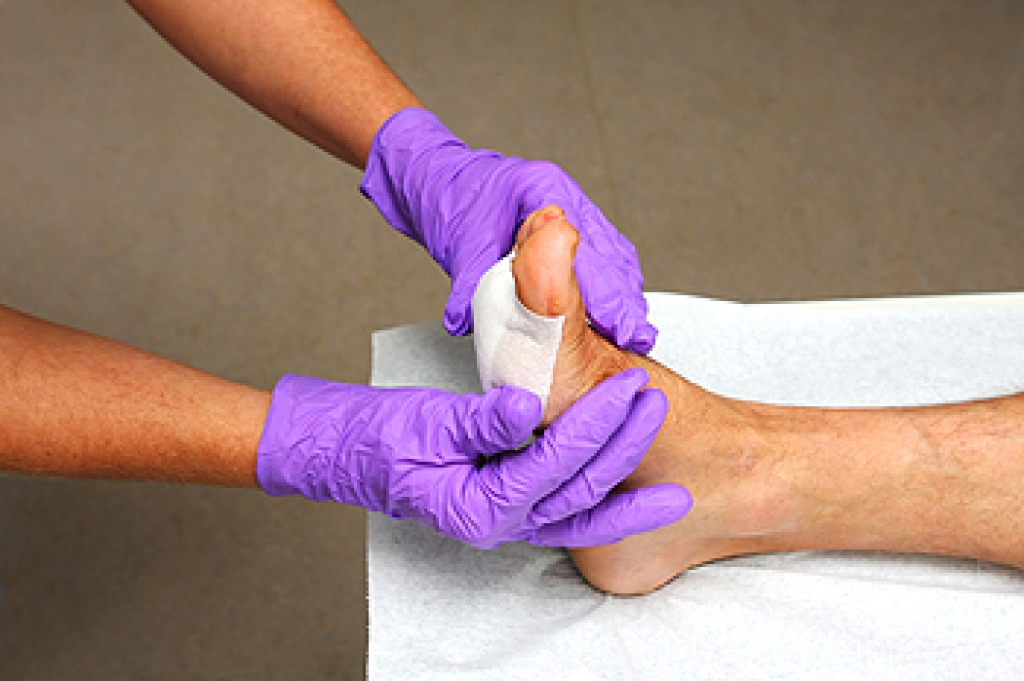
Foot wounds can become serious when they do not move through the normal healing process. A wound that fails to heal properly over time is considered a chronic wound. Several types can affect the lower legs and feet, including diabetic, arterial, and pressure ulcers. Diabetic foot ulcers often develop because nerve damage can reduce the ability to feel pain or repeated injury. Poor circulation can further interfere with healing. Chronic wounds require careful evaluation because their cause influences the type of treatment that may be needed.
Evaluating a non-healing foot wound involves more than examining the injured skin. Medical professionals consider the wound’s location, size, and depth. They may also evaluate drainage and the type of tissue within the wound. Blood flow is especially important because poor circulation can prevent damaged tissue from healing normally. Diabetic foot ulcers commonly develop on the toes or the bottom of the forefoot and may be surrounded by thick callused skin. Some wounds can extend into deeper tissues. Imaging may be needed when there is concern that an infection has reached the bone.
A podiatrist can evaluate a foot wound, identify factors interfering with healing, and determine an appropriate wound-care plan. Treatment depends on the type of wound and its underlying cause. Professional care may involve removing dead tissue, controlling infection, and selecting appropriate dressings. For diabetic foot ulcers, reducing pressure on the affected area is also an important part of treatment. A podiatrist can also evaluate circulation and nerve function to identify problems that may affect healing. Certain wounds may require coordinated treatment with vascular or other medical specialists. Early professional attention is important because chronic foot wounds can lead to deeper infection and other serious complications. If you have a foot wound that is not healing normally or continues to worsen, it is suggested that you consult a podiatrist for an evaluation and appropriate wound-care treatment.
Wound care is an important part in dealing with diabetes. If you have diabetes and a foot wound or would like more information about wound care for diabetics, consult with Brain Middleton, DPM from Medical Foot Care Center. Our doctor will assess your condition and provide you with quality foot and ankle treatment.
What Is Wound Care?
Wound care is the practice of taking proper care of a wound. This can range from the smallest to the largest of wounds. While everyone can benefit from proper wound care, it is much more important for diabetics. Diabetics often suffer from poor blood circulation which causes wounds to heal much slower than they would in a non-diabetic.
What Is the Importance of Wound Care?
While it may not seem apparent with small ulcers on the foot, for diabetics, any size ulcer can become infected. Diabetics often also suffer from neuropathy, or nerve loss. This means they might not even feel when they have an ulcer on their foot. If the wound becomes severely infected, amputation may be necessary. Therefore, it is of the upmost importance to properly care for any and all foot wounds.
How to Care for Wounds
The best way to care for foot wounds is to prevent them. For diabetics, this means daily inspections of the feet for any signs of abnormalities or ulcers. It is also recommended to see a podiatrist several times a year for a foot inspection. If you do have an ulcer, run the wound under water to clear dirt from the wound; then apply antibiotic ointment to the wound and cover with a bandage. Bandages should be changed daily and keeping pressure off the wound is smart. It is advised to see a podiatrist, who can keep an eye on it.
If you have any questions please contact our office located in Rome, GA. We offer the newest diagnostic and treatment technologies for all your foot and ankle needs.
A Lisfranc injury affects the middle of the foot, where bones and ligaments connect the forefoot with the midfoot. This injury can range from a stretched ligament to a fracture or joint displacement. Symptoms include midfoot pain, swelling, and difficulty putting weight on the foot. Bruising on the bottom of the foot can be a warning sign. Because Lisfranc injuries can resemble a sprain, evaluation is important after injury.
A Lisfranc injury may occur when the foot twists while the body moves in another direction. Falls, car crashes, and sports injuries can create enough force to damage the Lisfranc joint complex. Risk increases with activities or trauma. Injuries are subtle and may seem manageable. Without treatment, an injury can lead to chronic pain, arthritis, or foot deformity. A podiatrist may use an examination and X-rays to evaluate for alignment. An MRI or CT scan may be recommended when the injury is difficult to see.
Lisfranc surgery may be needed when the joint is unstable, bones are displaced, or the injury cannot be maintained in proper alignment without fixation. During surgery, the podiatrist or foot and ankle surgeon realigns the bones. Screws, plates, or fixation devices may be used to hold the joints in position while they heal. The approach depends on the fracture pattern and joint damage. Some patients may require fusion when joints are damaged or cannot be restored reliably.
After treatment, protecting the foot is important for healing. Your podiatrist may recommend immobilization and restricted weight-bearing during recovery. Follow-up appointments and imaging tests can help confirm that the bones and joints remain aligned. As healing progresses, your podiatrist can guide a return to activities and footwear. Treatment can help protect foot function and reduce complications. If you have sustained a Lisfranc fracture, it is suggested that you consult a podiatrist who can determine if this type of foot surgery is right for you.
Foot surgery is sometimes necessary to treat a foot ailment. To learn more, contact Brain Middleton, DPM of Medical Foot Care Center. Our doctor will assist you with all of your foot and ankle needs.
When Is Surgery Necessary?
Foot and ankle surgery is generally reserved for cases in which less invasive, conservative procedures have failed to alleviate the problem. Some of the cases in which surgery may be necessary include:
Removing foot deformities like bunions and bone spurs
Severe arthritis that has caused bone issues
Cosmetic reconstruction
What Types of Surgery Are There?
The type of surgery you receive will depend on the nature of the problem you have. Some of the possible surgeries include:
Bunionectomy for painful bunions
Surgical fusion for realignment of bones
Neuropathy decompression surgery to treat nerve damage
Benefits of Surgery
Although surgery is usually a last resort, it can provide more complete pain relief compared to non-surgical methods and may allow you to finally resume full activity.
Surgical techniques have also become increasingly sophisticated. Techniques like endoscopic surgery allow for smaller incisions and faster recovery times.
If you have any questions, please feel free to contact our office located in Rome, GA. We offer the newest diagnostic and treatment technologies for all your foot care needs.
Pain in the ball of the foot affects the area beneath the toes and may make walking uncomfortable. This discomfort may develop after a foot injury, repeated pressure, or changes in foot structure. A common cause is pain in the ball of the foot, which involves irritation around the metatarsal bones. Another possible cause is Morton’s neuroma, a thickened nerve between the toes that can create burning pain or a pebble-like sensation inside the shoe. Symptoms may include tenderness, tingling, or pain that worsens while standing or walking.
Several risk factors can increase the chance of developing ball of foot pain. Physically active people may place repeated stress on the forefoot when running or jumping. High heels and narrow shoes can also increase pressure. Other risks include foot deformities, high arches, and excess body weight. A sudden increase in exercise or an untreated foot injury can contribute to symptoms.
A podiatrist begins by discussing your symptoms, activities, and any recent injury. A careful foot examination can identify tenderness, nerve irritation, or alignment problems. X-rays may be recommended when a bone problem or structural concern is suspected. Treatment may include activity changes, wearing supportive footwear, or medication when appropriate. For Morton’s neuroma, targeted injections or other treatments may be considered. The goal is to reduce pressure and treat the cause.
You do not have to ignore pain in the ball of your foot and hope it disappears. Early evaluation can help prevent ongoing irritation and improve everyday comfort. A podiatrist can create a treatment plan based on your symptoms and the condition causing them. If pain continues, becomes severe, or affects how you walk, podiatric care is important. If you have pain in the ball of your foot, it is suggested that you consult a podiatrist for an accurate diagnosis and appropriate treatment.
Foot Pain
Foot pain can be extremely painful and debilitating. If you have a foot pain, consult with Brain Middleton, DPM from Medical Foot Care Center. Our doctor will assess your condition and provide you with quality foot and ankle treatment.
Causes
Foot pain is a very broad condition that could be caused by one or more ailments. The most common include:
Bunions
Hammertoes
Plantar Fasciitis
Bone Spurs
Corns
Tarsal Tunnel Syndrome
Ingrown Toenails
Arthritis (such as Gout, Rheumatoid, and Osteoarthritis)
To figure out the cause of foot pain, podiatrists utilize several different methods. This can range from simple visual inspections and sensation tests to X-rays and MRI scans. Prior medical history, family medical history, and any recent physical traumatic events will all be taken into consideration for a proper diagnosis.
Treatment
Treatment depends upon the cause of the foot pain. Whether it is resting, staying off the foot, or having surgery; podiatrists have a number of treatment options available for foot pain.
If you have any questions, please feel free to contact our office located in Rome, GA. We offer the newest diagnostic and treatment technologies for all your foot care needs.
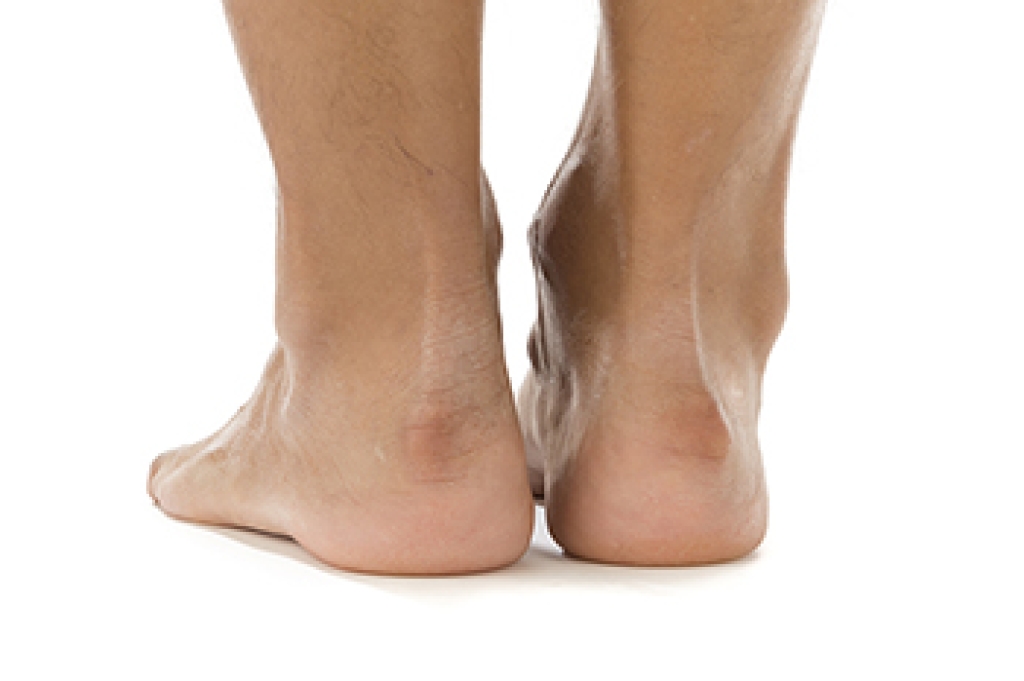
Haglund’s deformity is a bony enlargement at the upper back of the heel. The bump forms near the point where the Achilles tendon attaches to the heel bone. It can rub against the back of a shoe and cause pain, redness, and swelling behind the heel. The area may feel tender, and a bump can develop. Pain can be noticeable when wearing shoes with firm heel counters. Some patients also have discomfort when they begin walking after resting. The condition can affect one heel or both heels.
The cause of Haglund’s deformity is not always clear. A tight Achilles tendon, high arches, and an inherited heel shape can raise the risk. Pressure from wearing stiff or poorly fitting shoes can worsen irritation. The nearby fluid-filled sac, called a bursa, can become inflamed. This sac cushions the heel bone and Achilles tendon. When it becomes irritated, swelling and pain can increase. A podiatrist examines the heel, checks the patient’s foot structure, and asks when the pain occurs. X-rays can show the heel bone and the size of the bump. Other imaging can help assess the Achilles tendon or surrounding tissue when the cause remains unclear.
Treatment focuses on reducing pressure, easing inflammation, and protecting the back of the heel. The podiatrist can recommend shoes with a softer heel area or room around the bump. Custom orthotics or heel lifts can improve foot position and reduce strain on the Achilles tendon. Padding may limit shoe rubbing. A temporary walking boot can protect the area when pain is severe. The podiatrist can also monitor the tendon and adjust treatment based on the patient’s progress. When these measures do not provide enough relief, surgery may be considered to remove the excess bone and address damaged tissue. If you have symptoms of Haglund's deformity, it is suggested that you schedule an appointment with a podiatrist for a diagnosis and appropriate treatment.
Many people suffer from bouts of heel pain. For more information, contact Brain Middleton, DPM of Medical Foot Care Center. Our doctor can provide the care you need to keep you pain-free and on your feet.
Causes of Heel Pain
Heel pain is often associated with plantar fasciitis. The plantar fascia is a band of tissues that extends along the bottom of the foot. A rip or tear in this ligament can cause inflammation of the tissue.
Achilles tendonitis is another cause of heel pain. Inflammation of the Achilles tendon will cause pain from fractures and muscle tearing. Lack of flexibility is also another symptom.
Heel spurs are another cause of pain. When the tissues of the plantar fascia undergo a great deal of stress, it can lead to ligament separation from the heel bone, causing heel spurs.
Why Might Heel Pain Occur?
Wearing ill-fitting shoes
Wearing non-supportive shoes
Weight change
Excessive running
Treatments
Heel pain should be treated as soon as possible for immediate results. Keeping your feet in a stress-free environment will help. If you suffer from Achilles tendonitis or plantar fasciitis, applying ice will reduce the swelling. Stretching before an exercise like running will help the muscles. Using all these tips will help make heel pain a condition of the past.
If you have any questions, please feel free to contact our office located in Rome, GA. We offer the newest diagnostic and treatment technologies for all your foot care needs.