
Caring for Children’s Feet

Children’s feet grow rapidly, with the last foot bone developing about the age of three.This early growth requires gentle care to support healthy development. Parents should select flexible, well-fitted shoes that allow natural movement and avoid restrictive footwear, which can hinder proper bone and muscle development. Barefoot play on safe surfaces is also beneficial, as it helps strengthen the foot’s muscles and improve balance. Regularly checking for signs of discomfort or abnormal wear on shoes can highlight early issues. Parents should monitor for symptoms like persistent pain, limping, or visible foot deformities, such as inward-turning feet or flat feet, which may be normal at certain stages but worth watching. If these symptoms persist or worsen, it is suggested that you visit a podiatrist who can assess and guide you on corrective options.

Making sure that your children maintain good foot health is very important as they grow. If you have any questions, contact Brain Middleton, DPM of Medical Foot Care Center. Our doctor can provide the care you need to keep you pain-free and on your feet.

Keeping Children's Feet Healthy

Having healthy feet during childhood can help prevent medical problems later in life, namely in the back and legs. As children grow, their feet require different types of care. Here are some things to consider...

Although babies do not walk yet, it is still very important to take care of their feet.

Avoid putting tight shoes or socks on his or her feet.

Allow the baby to stretch and kick his or her feet to feel comfortable.

As a toddler, kids are now on the move and begin to develop differently. At this age, toddlers are getting a feel for walking, so don’t be alarmed if your toddler is unsteady or ‘walks funny’. 

As your child gets older, it is important to teach them how to take care of their feet.

Show them proper hygiene to prevent infections such as fungus.

Be watchful for any pain or injury.

Have all injuries checked by a doctor as soon as possible.

Comfortable, protective shoes should always be worn, especially at play.

If you have any questions, please feel free to contact our office located in Rome, GA . We offer the newest diagnostic and treatment technologies for all your foot care needs.

Read more about What to Do to Keep Your Child’s Feet Healthy

Diabetes and the Danger of Peripheral Neuropathy

Diabetes significantly affects the feet, often leading to serious complications if not managed properly. High blood sugar levels can damage blood vessels and nerves, reducing circulation and sensation in the feet. This condition, known as diabetic neuropathy, means that injuries like cuts, blisters, or sores may go unnoticed, increasing the risk of infection. Poor circulation in diabetic individuals also delays wound healing, making it more difficult for minor injuries to recover. Over time, untreated wounds can turn into ulcers, which, if infected, may lead to severe consequences, including gangrene or even amputation. Foot deformities, such as bunions and hammertoes, are more common in people with diabetes due to weakened muscles and tendons. Regular foot care, including daily inspections, proper footwear, and regular check-ups with a podiatrist, is essential to avoid complications and maintain foot health in diabetics. For this reason, it is suggested that if you have diabetes, you make an appointment with a podiatrist for routine care.

Neuropathy

Neuropathy can be a potentially serious condition, especially if it is left undiagnosed. If you have any concerns that you may be experiencing nerve loss in your feet, consult with Brain Middleton, DPM from Medical Foot Care Center. Our doctor will assess your condition and provide you with quality foot and ankle treatment for neuropathy.

What Is Neuropathy?

Neuropathy is a condition that leads to damage to the nerves in the body. Peripheral neuropathy, or neuropathy that affects your peripheral nervous system, usually occurs in the feet. Neuropathy can be triggered by a number of different causes. Such causes include diabetes, infections, cancers, disorders, and toxic substances.

Symptoms of Neuropathy Include:

  • Numbness
  • Sensation loss
  • Prickling and tingling sensations
  • Throbbing, freezing, burning pains
  • Muscle weakness

Those with diabetes are at serious risk due to being unable to feel an ulcer on their feet. Diabetics usually also suffer from poor blood circulation. This can lead to the wound not healing, infections occurring, and the limb may have to be amputated.

Treatment

To treat neuropathy in the foot, podiatrists will first diagnose the cause of the neuropathy. Figuring out the underlying cause of the neuropathy will allow the podiatrist to prescribe the best treatment, whether it be caused by diabetes, toxic substance exposure, infection, etc. If the nerve has not died, then it’s possible that sensation may be able to return to the foot.

Pain medication may be issued for pain. Electrical nerve stimulation can be used to stimulate nerves. If the neuropathy is caused from pressure on the nerves, then surgery may be necessary.

If you have any questions, please feel free to contact our office located in Rome, GA . We offer the newest diagnostic and treatment technologies for all your foot care needs.
Read more about Neuropathy

Podiatric Care for Pinky Toe Corns

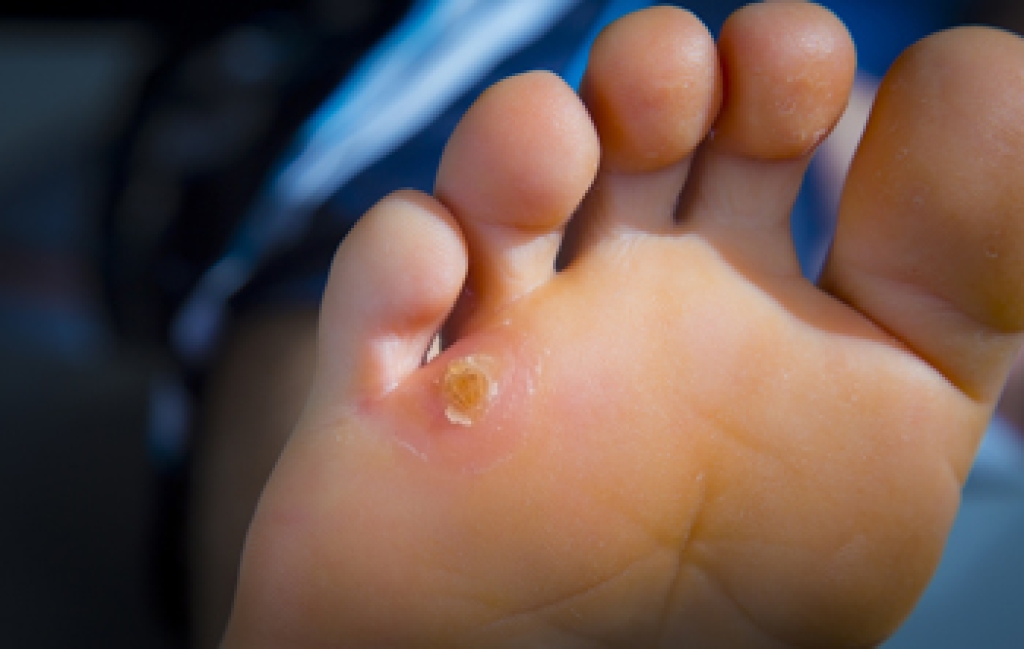
Corns on the pinky toe are thickened areas of skin that form in response to pressure or friction. They often develop on the outer side of the pinky toe due to constant rubbing against tight or ill-fitting shoes. Corns can be hard or soft, with hard corns typically forming on the bony areas, and soft corns appearing between toes where moisture is present. Symptoms include a hardened, raised bump that can be painful when pressed, redness, and irritation. The pain can intensify with continued friction, making walking uncomfortable. To prevent corns, wear properly fitting shoes with a wide toe box and cushioned insoles. Regularly moisturizing and using a pumice stone on your feet can also help keep the skin soft. If you have a painful or infected corn on any toe, it is suggested that you visit a podiatrist who can provide care, which might include shaving or safely removing the corn.

Corns can make walking very painful and should be treated immediately. If you have questions regarding your feet and ankles, contact Brain Middleton, DPM of Medical Foot Care Center. Our doctor will treat your foot and ankle needs.

Corns: What Are They? And How Do You Get Rid of Them?
Corns are thickened areas on the skin that can become painful. They are caused by excessive pressure and friction on the skin. Corns press into the deeper layers of the skin and are usually round in shape.

Ways to Prevent Corns
There are many ways to get rid of painful corns such as:

  • Wearing properly fitting shoes that have been measured by a professional
  • Wearing shoes that are not sharply pointed or have high heels
  • Wearing only shoes that offer support

Treating Corns

Although most corns slowly disappear when the friction or pressure stops, this isn’t always the case. Consult with your podiatrist to determine the best treatment option for your case of corns.

If you have any questions, please feel free to contact our office located in Rome, GA . We offer the newest diagnostic and treatment technologies for all your foot care needs.
Read more about Corns: What Are They, and How Do You Get Rid of Them

Diagnosis and Treatment of Lateral Ankle Injuries

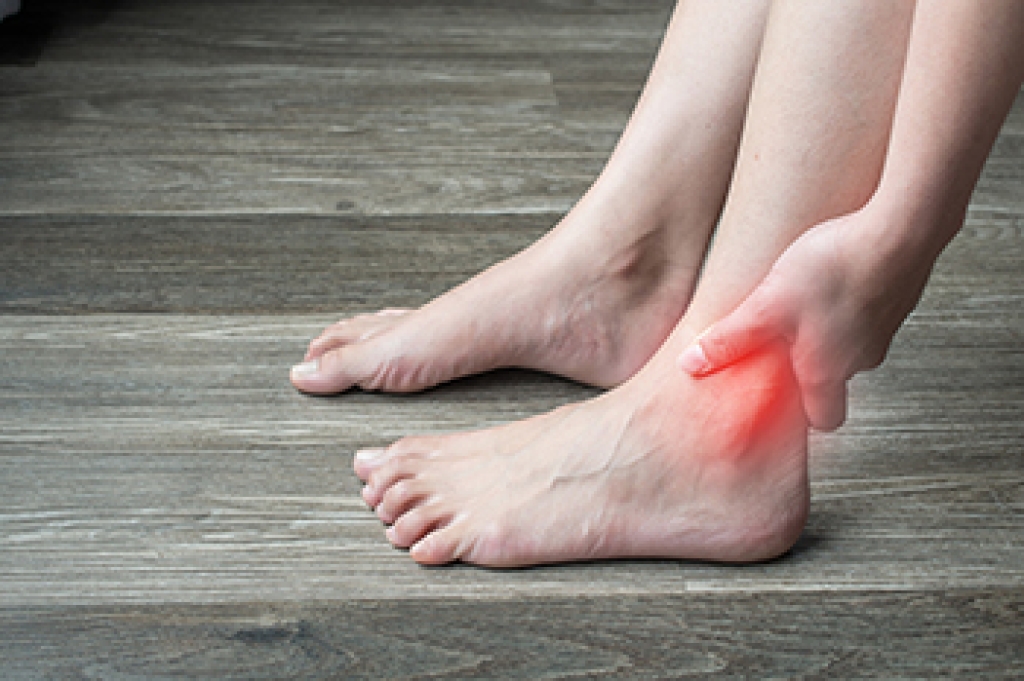
Lateral ankle injuries involve damage to the ligaments on the outer side of the ankle. They are often caused by rolling or twisting the foot during activities like running, jumping, or walking on uneven surfaces. Such ankle injuries are common in athletes but can happen to anyone, especially during sudden movements or improper foot placement. The most frequent type of lateral ankle injury is an ankle sprain, where the ligaments stretch or tear. Symptoms include pain, swelling, bruising, and difficulty bearing weight on the injured foot. Diagnosis typically involves a physical exam and imaging tests, such as X-rays or MRI scans to rule out fractures and assess ligament damage. Treatment depends on the severity of the injury. Severe sprains may require bracing or targeted exercises to restore strength and mobility. If you have pain on the outside of your ankle, it is suggested that you visit a podiatrist for a diagnosis and proper care so as to prevent long-term ankle instability.

Ankle pain can be caused by a number of problems and may be potentially serious. If you have ankle pain, consult with Brain Middleton, DPM from Medical Foot Care Center. Our doctor will assess your condition and provide you with quality foot and ankle treatment.

Ankle pain is any condition that causes pain in the ankle. Due to the fact that the ankle consists of tendons, muscles, bones, and ligaments, ankle pain can come from a number of different conditions.

Causes

The most common causes of ankle pain include:

  • Types of arthritis (rheumatoid, osteoarthritis, and gout)
  • Ankle sprains
  • Broken ankles
  • Achilles tendonitis
  • Achilles tendon rupture
  • Stress fractures
  • Bursitis
  • Tarsal tunnel syndrome
  • Plantar fasciitis

Symptoms

Symptoms of ankle injury vary based upon the condition. Pain may include general pain and discomfort, swelling, aching, redness, bruising, burning or stabbing sensations, and/or loss of sensation.

Diagnosis

Due to the wide variety of potential causes of ankle pain, podiatrists will utilize a number of different methods to properly diagnose ankle pain. This can include asking for personal and family medical histories and of any recent injuries. Further diagnosis may include sensation tests, a physical examination, and potentially x-rays or other imaging tests.

Treatment

Just as the range of causes varies widely, so do treatments. Some more common treatments are rest, ice packs, keeping pressure off the foot, orthotics and braces, medication for inflammation and pain, and surgery.

If you have any questions please feel free to contact our office located in Rome, GA . We offer the newest diagnostic tools and technology to treat your foot and ankle needs.

Read more about Ankle Pain

Measuring Feet for Proper Shoe Sizing

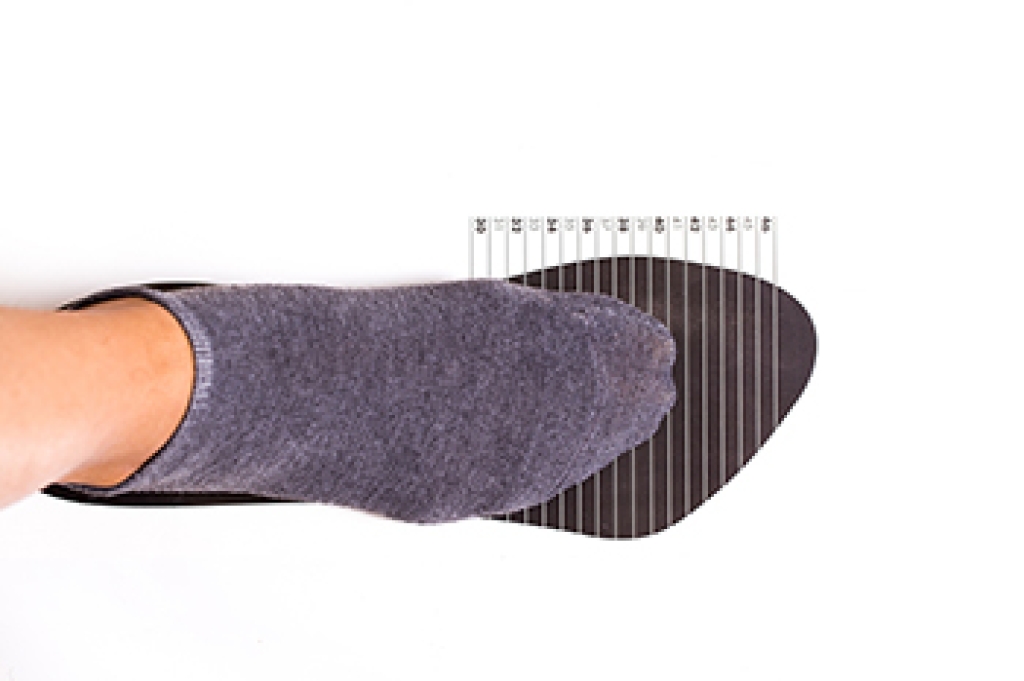
Measuring feet for proper shoe sizing is imperative for comfort and preventing foot problems. To get the most accurate size, measure your feet at the end of the day when they are at their largest. Use a ruler or foot-measuring tool to assess the length from heel to toe and the width at the widest point. It is important to measure both feet, as one foot is often slightly larger. Shoes should fit the larger foot. A podiatrist can provide expert guidance in finding the right shoe size, especially if you have foot issues like bunions, hammertoes, or flat arches. They can assess your foot structure and recommend orthotics or custom shoes for optimal support. A podiatrist can also help treat any foot-related problems that arise from wearing improper footwear and offer advice on the best shoes for different activities to prevent future discomfort or injury. If you have foot problems or need help in selecting well-fitting shoes, it is suggested that you consult a podiatrist.

Getting the right shoe size is an important part of proper foot health. Seek the assistance of Brain Middleton, DPM from Medical Foot Care Center. Our doctor will provide the care you need to keep you pain-free and on your feet.

Getting the Right Shoe Size

There are many people who wear shoes that are the incorrect size, negatively affecting their feet and posture. Selecting the right shoes is not a difficult process, so long as you keep several things in mind when it comes to choosing the right pair.

  • When visiting the shoe store, use the tools available to measure your foot.
  • Be sure there is ‘wiggle room’. There should be about an inch between your toes and the tip of your shoes.
  • Do not always assume you are the same size, as manufacturers run differently.
  • Purchase shoes later in the day, as your feet swell as the day progresses.
  • If a shoe is not comfortable, it is not suitable. Most shoes can’t be ‘broken in’, and comfort should be the ultimate goal when it comes to choosing the right pair of shoes

As our feet hold our body weight and keep us moving, it is important to treat them right. Picking the right pair of shoes can provide your feet comfort and mobility without pain.

If you have any questions, please feel free to contact our office located in Rome, GA . We offer the newest diagnostic and treatment technologies for all your foot care needs.

Read more about Getting the Right Shoe Size: To Keep Your Feet Happy
scroll to top
Request Appointment